
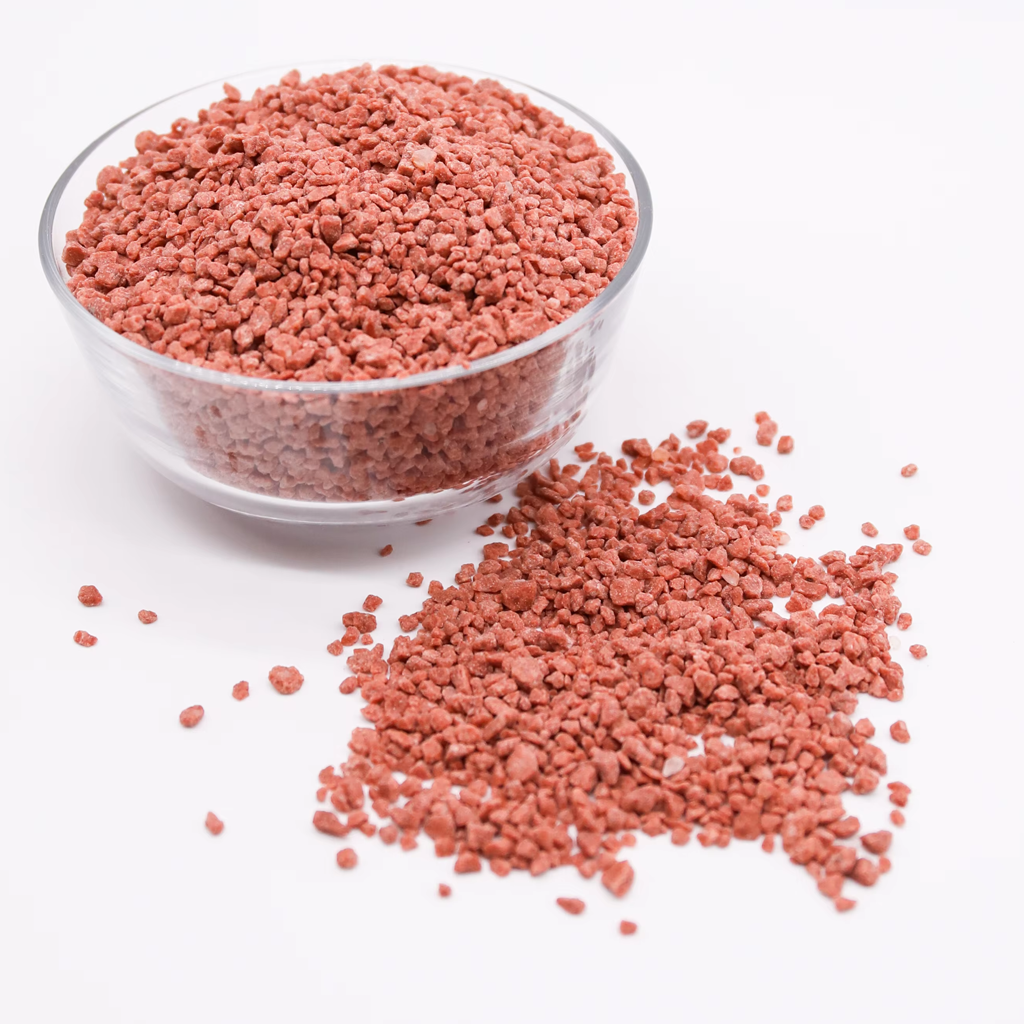
Muriate of Potash (MOP), also known by its chemical name Potassium Chloride ($KCl$), is the most widely used potassium fertilizer in global agriculture. It is highly valued for providing plants with essential potassium, which is critical for their overall health and “stress” management.
Here is a detailed breakdown of its features and benefits:
1. Nutrient Analysis
-
Potassium ($K_2O$): Typically contains 60% potassium. This high concentration makes it very cost-effective for farmers.
-
Chloride ($Cl^-$): Contains about 45% to 47% chloride. While often overlooked, chloride is a necessary micronutrient for plant photosynthesis and water regulation.
2. Key Characteristics
-
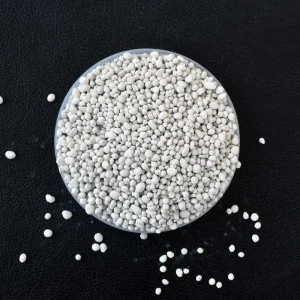
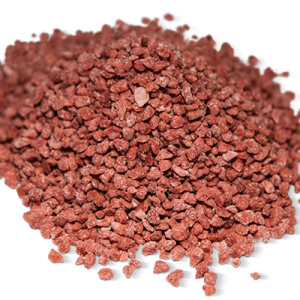
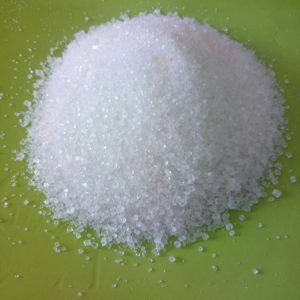
Appearance: MOP is usually sold as a granular or crystalline solid. It typically appears pink or red (due to iron oxide traces in the ore) or white. Both types provide the same nutrient value.
-
Solubility: It is highly water-soluble. It dissolves quickly into the soil solution, allowing the plant’s roots to absorb the potassium ions ($K^+$) immediately.
-
Salt Index: It has a relatively high salt index, so it should be applied in a way that avoids direct contact with seeds or very young seedlings to prevent “salt burn.”
3. Why Plants Need MOP (The “Quality” Nutritent)
Potassium is often called the “quality element” because it improves how a plant functions internally:
-
Water Regulation: It helps the plant manage its internal water pressure (turgor) and regulates the opening and closing of leaf pores (stomata). This makes crops more drought-tolerant.
-
Stem Strength: It strengthens the cell walls, helping crops like wheat and corn stay upright (preventing “lodging”).
-
Disease Resistance: A plant with adequate potassium is much better at fighting off fungal and bacterial infections.
-
Fruit Quality: It improves the sugar content, size, color, and shelf-life of fruits and vegetables.
4. Comparison: MOP ($KCl$) vs. SOP ($K_2SO_4$)
While MOP is the standard, it is sometimes replaced by Sulphate of Potash (SOP):
-
Soil Type: MOP is great for most soils, but in areas where soil salinity is already very high, SOP might be preferred.
-
Crop Sensitivity: Most major crops (corn, wheat, rice, cotton) love MOP. However, chloride-sensitive crops like tobacco, grapes, and certain berries are better off with SOP.
5. Application Best Practices
-
Timing: It is most effective when applied during soil preparation or as a top-dressing in the early stages of the growing season.
-
Placement: It is best applied in a “band” near the roots or mixed thoroughly into the soil rather than just leaving it on the dry surface.
-
Storage: Keep it in a dry place. MOP can absorb moisture from the air, which may cause it to clump together over time.
Reviews
There are no reviews yet.