
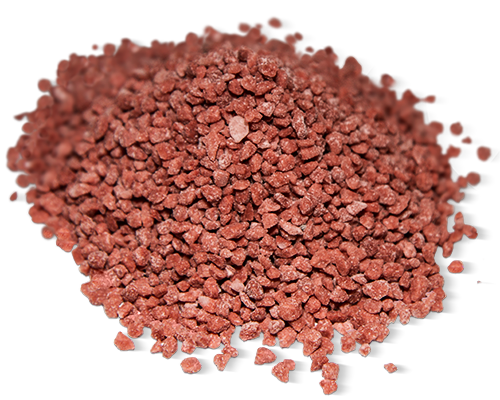
Muriate of Potash (MOP), technically known as Potassium Chloride ($KCl$), is the most commonly used potassium fertilizer in agriculture worldwide. It is essential for improving the overall “health” and quality of a crop.
Here is a detailed breakdown of MOP:
1. Nutrient Composition
-
Potassium ($K_2O$): Typically 60%. This is a very high concentration, making it a cost-effective way to deliver potassium to the soil.
-
Chloride ($Cl^-$): Approximately 45% to 47%. While often overlooked, chloride is a micronutrient required by plants for photosynthesis and water regulation.
2. Key Characteristics
-
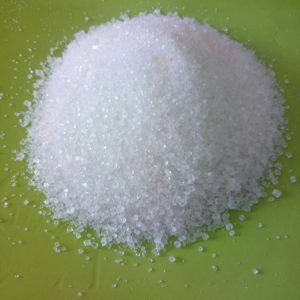
Appearance: It usually comes in granular or crystalline form. Its color ranges from pinkish-red (due to iron oxide traces) to white, depending on the mining and refining process. Both colors offer the same nutrient value.
-
Solubility: It is highly soluble in water, meaning it dissolves quickly in soil moisture to release potassium ions for plant uptake.
-
Salt Index: MOP has a relatively high salt index. This means it should be applied carefully to avoid placing it directly against seeds or very young roots in dry conditions.
3. Primary Benefits of Potassium
Potassium is often called the “Quality Element” because it focuses on the plant’s internal functions:
-
Water Regulation: It helps the plant manage its internal water pressure (turgor) and controls the opening/closing of leaf pores (stomata), making crops more drought-resistant.
-
Disease Resistance: It strengthens the plant’s cell walls, making it harder for pests and diseases to penetrate.
-
Enzyme Activation: It activates over 60 different enzymes that govern plant growth and chemical reactions.
-
Yield Quality: It improves the size, color, taste, and shelf-life of fruits and vegetables.
4. Comparison: MOP ($KCl$) vs. SOP ($K_2SO_4$)
It is important to know when to use MOP versus Sulphate of Potash (SOP):
-
Chlorine Sensitivity: Most crops (wheat, corn, rice) tolerate the chloride in MOP very well. However, “chloride-sensitive” crops like tobacco, grapes, and some berries prefer SOP.
-
Cost: MOP is generally significantly cheaper than SOP, which is why it is the standard choice for large-scale field crops.
5. Application Tips
-
Timing: It is often applied during soil preparation or as a top-dressing during the early stages of growth.
-
Placement: To avoid potential “salt injury,” it is best to mix it into the soil or apply it in a band slightly away from the seed row.
-
Storage: MOP can absorb moisture from the air (hygroscopic), so it should be stored in a dry, covered area to prevent clumping.
Reviews
There are no reviews yet.