
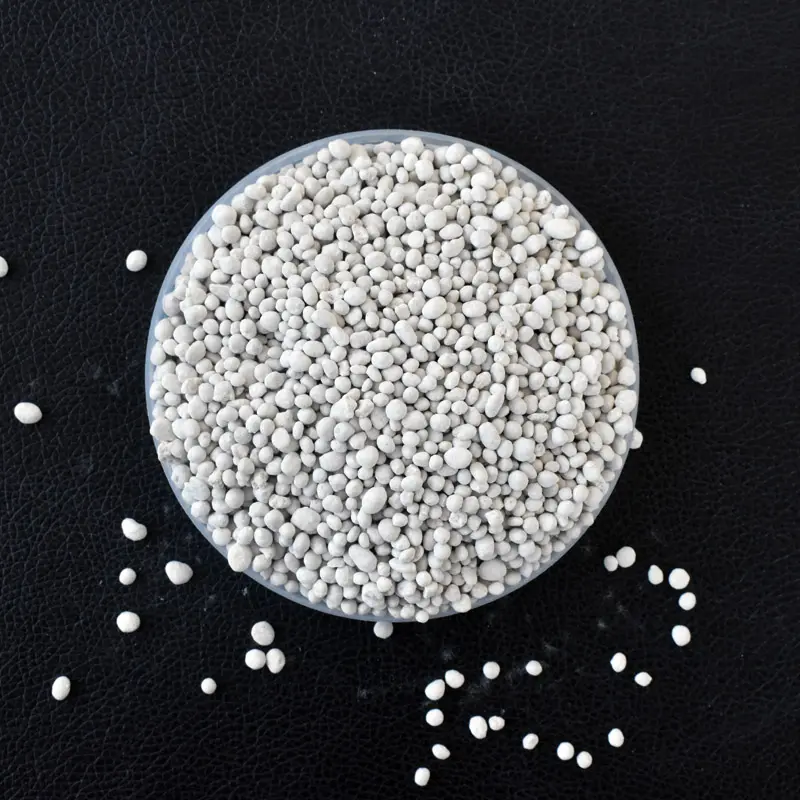
NPK stands for Nitrogen (N), Phosphorus (P), and Potassium (K). These are the three primary macronutrients that plants need in large quantities to grow, survive, and produce a high yield.
When you see three numbers on a fertilizer bag (e.g., 20-20-20 or 10-20-10), they represent the percentage by weight of these three elements in that specific order.
1. The “Big Three” Functions
To remember what each does, a simple rule of thumb is: “Up, Down, and All Around.”
Nitrogen (N) – “The Green Up”
-
Role: Responsible for leaf and stem growth. It is a key component of chlorophyll, which plants use to convert sunlight into energy.
-
Signs of Deficiency: Leaves turning pale yellow (starting from the bottom), stunted growth, and thin stems.
Phosphorus (P) – “The Roots Down”
-
Role: Focuses on energy transfer and the “structural” parts of the plant. It is essential for root development, flower blooming, and seed formation.
-
Signs of Deficiency: Purple or dark green tint on leaves, poor root systems, and a lack of flowers or fruit.
Potassium (K) – “The All Around Health”
-
Role: Acts like an immune system and regulator. It controls water movement within cells, strengthens stalks to prevent lodging, and helps the plant resist disease and extreme weather (cold/heat).
-
Signs of Deficiency: “Burnt” or brown edges on leaves, weak stems that break easily, and poor-quality fruit.
2. Understanding the Numbers (The Analysis)
The numbers on a bag tell you the concentration. For example, in a 50kg bag of 15-15-15:
-
15% Nitrogen: 7.5kg of actual Nitrogen.
-
15% Phosphorus: 7.5kg of Phosphorus ($P_2O_5$).
-
15% Potassium: 7.5kg of Potassium ($K_2O$).
-
The remaining 55%: This consists of “filler” or carrier materials (like limestone or sand) and sometimes secondary nutrients (like Sulfur or Calcium) to help the fertilizer spread evenly.
Reviews
There are no reviews yet.